Company Case Study: Eli Lilly and Company

Since its founding in 1932, Lego has built more than just toys—it’s built a legacy of creativity, innovation, and storytelling. By teaming up with iconic franchises like Star Wars, Harry Potter, and Marvel, the brand has cemented its place in pop culture, captivating fans of all ages. Through initiatives like the Lego Masters TV show and the crowd-driven Lego Ideas platform, Lego has turned its products into immersive experiences, inspiring collaboration and sparking imaginations worldwide.
Company Case Study: Salesforce

Since its founding in 1932, Lego has built more than just toys—it’s built a legacy of creativity, innovation, and storytelling. By teaming up with iconic franchises like Star Wars, Harry Potter, and Marvel, the brand has cemented its place in pop culture, captivating fans of all ages. Through initiatives like the Lego Masters TV show and the crowd-driven Lego Ideas platform, Lego has turned its products into immersive experiences, inspiring collaboration and sparking imaginations worldwide.
Company Case Study: Patagonia

Since its founding in 1932, Lego has built more than just toys—it’s built a legacy of creativity, innovation, and storytelling. By teaming up with iconic franchises like Star Wars, Harry Potter, and Marvel, the brand has cemented its place in pop culture, captivating fans of all ages. Through initiatives like the Lego Masters TV show and the crowd-driven Lego Ideas platform, Lego has turned its products into immersive experiences, inspiring collaboration and sparking imaginations worldwide.
Company Case Study: Coursera

Since its founding in 1932, Lego has built more than just toys—it’s built a legacy of creativity, innovation, and storytelling. By teaming up with iconic franchises like Star Wars, Harry Potter, and Marvel, the brand has cemented its place in pop culture, captivating fans of all ages. Through initiatives like the Lego Masters TV show and the crowd-driven Lego Ideas platform, Lego has turned its products into immersive experiences, inspiring collaboration and sparking imaginations worldwide.
Company Case Study: Oura

Since its founding in 1932, Lego has built more than just toys—it’s built a legacy of creativity, innovation, and storytelling. By teaming up with iconic franchises like Star Wars, Harry Potter, and Marvel, the brand has cemented its place in pop culture, captivating fans of all ages. Through initiatives like the Lego Masters TV show and the crowd-driven Lego Ideas platform, Lego has turned its products into immersive experiences, inspiring collaboration and sparking imaginations worldwide.
Company Case Study: Lego

Since its founding in 1932, Lego has built more than just toys—it’s built a legacy of creativity, innovation, and storytelling. By teaming up with iconic franchises like Star Wars, Harry Potter, and Marvel, the brand has cemented its place in pop culture, captivating fans of all ages. Through initiatives like the Lego Masters TV show and the crowd-driven Lego Ideas platform, Lego has turned its products into immersive experiences, inspiring collaboration and sparking imaginations worldwide.
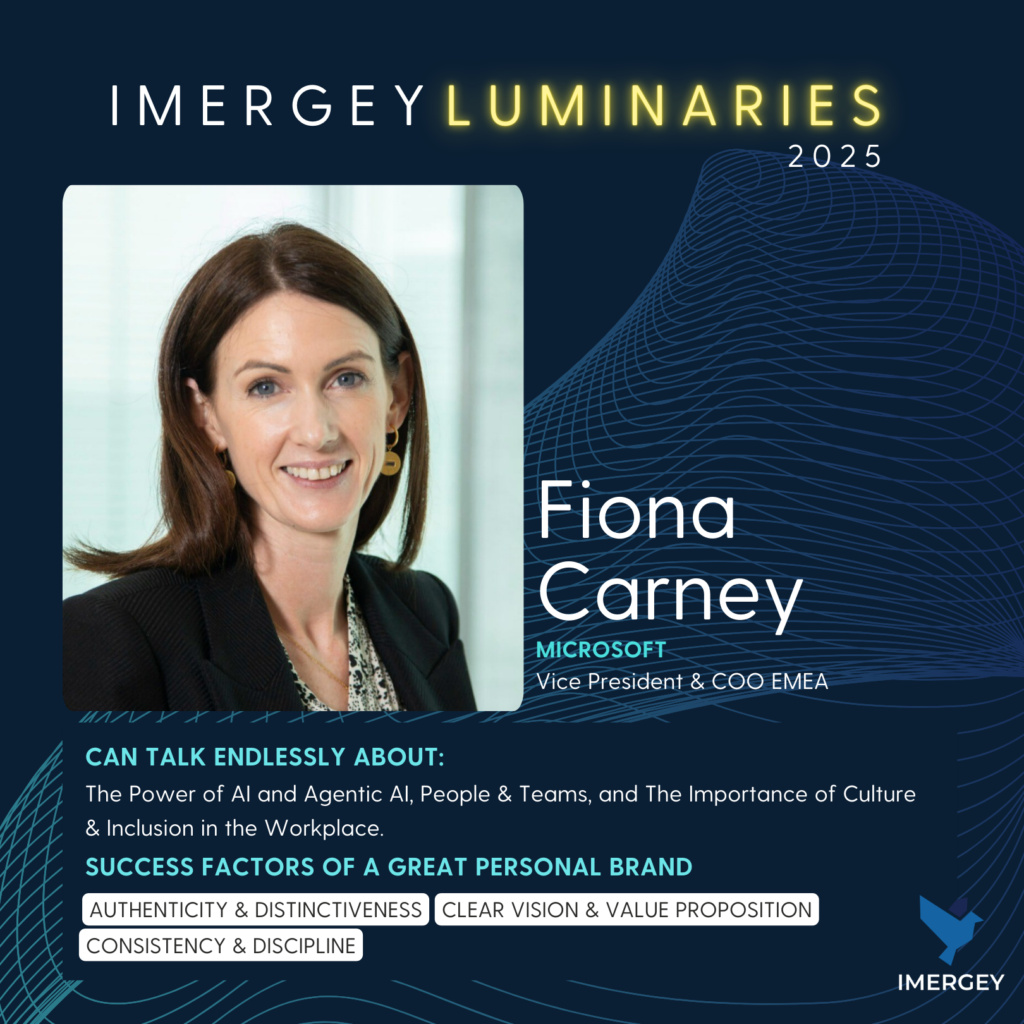
Executive Case Study #3: Natalie Truong (EY)

Natalie is not just a marketer; she’s an agent of change, constantly pushing boundaries and driving innovation. At the core of her leadership philosophy is a relentless curiosity and inclusiveness, she’s here to disrupt. With her un-corporate mindset, she injects a fresh perspective into every campaign and strategy, pushing her team to think.

Company Case Study: Aesop

The Australian skincare brand Aesop has been renowned for its commitment to design and sustainability. Each one of the 400-plus Aesop stores is unique, conceived by designers and architects from around the world but always with the same emphasis on product, place, and people.

Executive Case Study #2: Ken Allard (Gartner)

Ken Allard, a prominent leader at Gartner, has carved out a niche for himself through his innovative and empathetic approach to guiding his team. Ken’s leadership style is deeply rooted in the principles of inclusive decision-making and strategic foresight. At the heart of Ken’s approach is a strong emphasis on creating a culture of accountability and empowerment. Team members not only feel a sense of ownership over their tasks but are also motivated to perform to the best of their abilities.

Company Case Study: Olipop

The soda aisle used to be a place of sweet indulgence, a guilty pleasure mixed with a twinge of health-conscious remorse. With each can of OLIPOP’s, they are not just selling a beverage; they’re endorsing a philosophy. A sip represents a pledge—your gut health and pleasure, not merely an afterthought but the purpose of their craft.